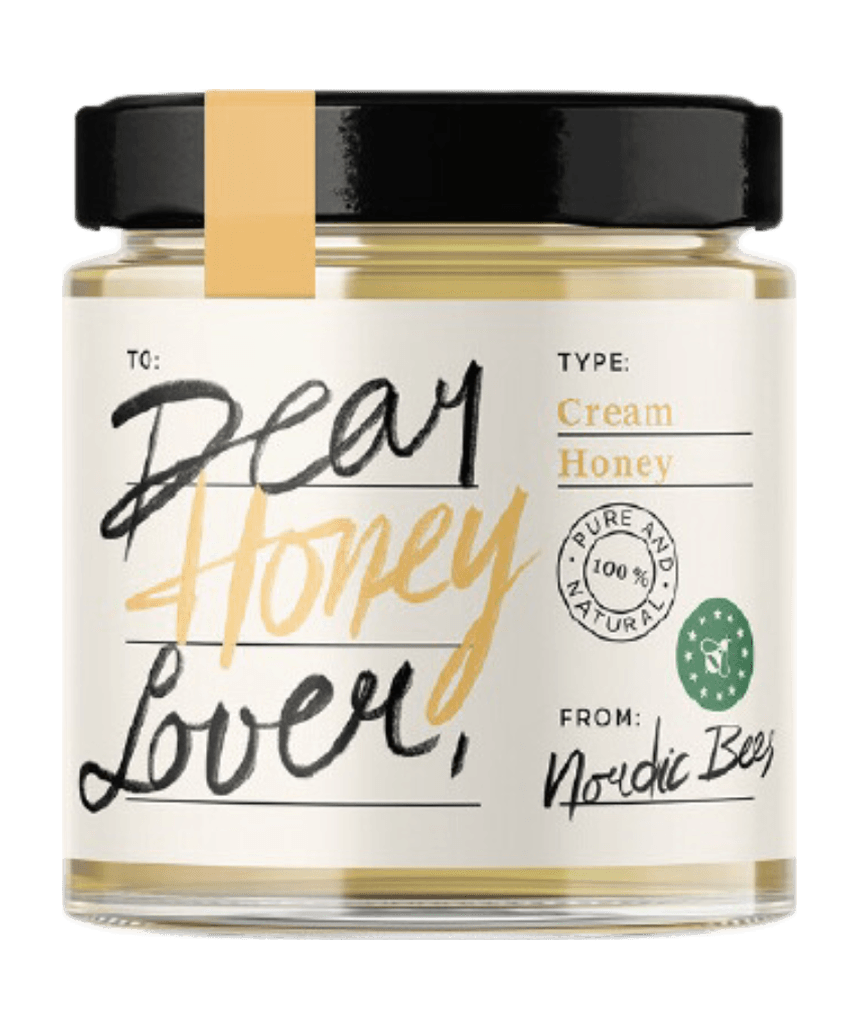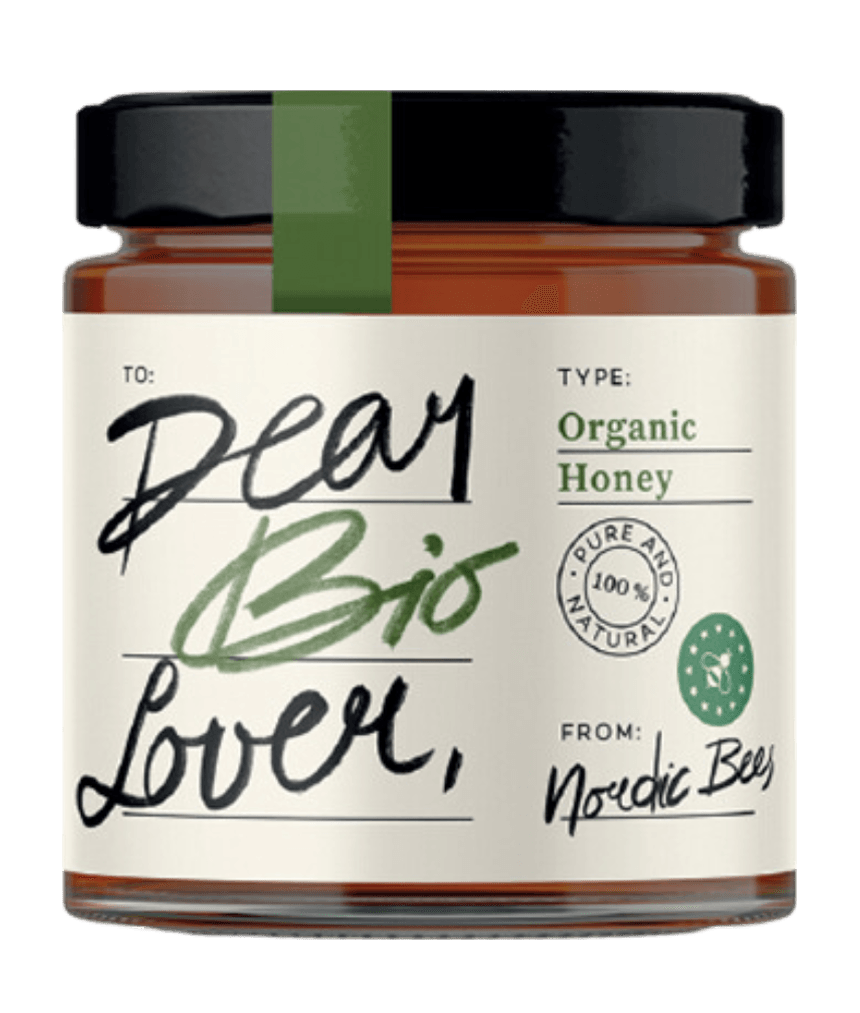
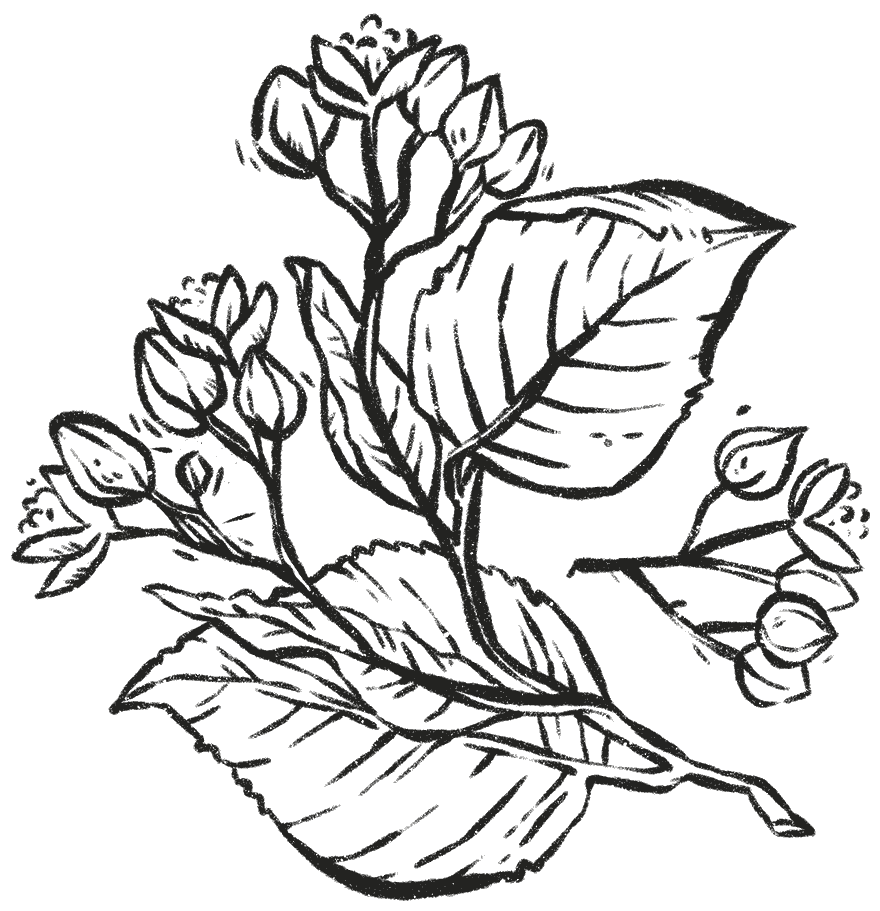
Quick facts
- Type
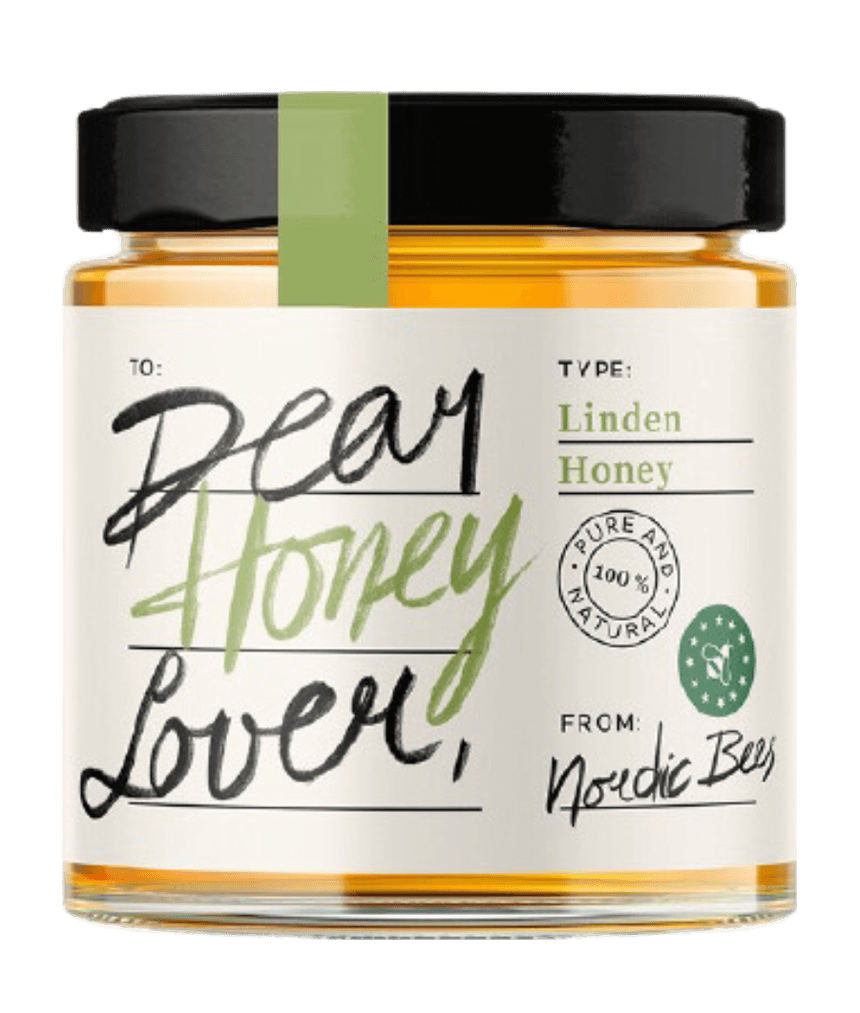
- Linden (lime blossom) honey
- Origin
- Lithuania
- Colour
- Usually light yellow to amber
- Taste
- Typically fresh and woody, with a hint of mint
- Texture
- Liquid when fresh; usually sets to a medium grain
- Good with
- Tea, fresh cheese, yoghurt with pears
- Format
- Jar
- Net weight
- 250 g
- Ingredients
- 100% bee honey
- Storage
- Protect from direct sunlight. After opening, store in a cool and dry place.
Net weight, ingredients and storage: as printed on the label.
At the table
- Stirred into black or herbal tea once it has cooled a minute.
- On fresh cheese or cottage cheese.
- Over plain yoghurt with sliced pears.
- In a lemon and olive oil dressing for a green salad.
- On warm pancakes.
In the jar
Usually a light yellow to amber tone, sometimes slightly green. The taste is typically moderately sweet and fresh, and the finish is long and lightly bitter.
Setting
Linden honey usually begins to set within a few months, often to a medium, even grain. That is natural. To soften it, stand the jar in a bowl of warm water, below 40 °C, and stir.
Where it comes from
The nectar comes from linden blossom. Linden trees usually flower in early to mid summer, and the bees collect the nectar during those weeks.
Questions
Why does it smell stronger than it looks?
Pale honeys can carry a lot of aroma, and linden is a typical example: a fresh, woody scent with mint notes.
How does it differ from meadow honey?
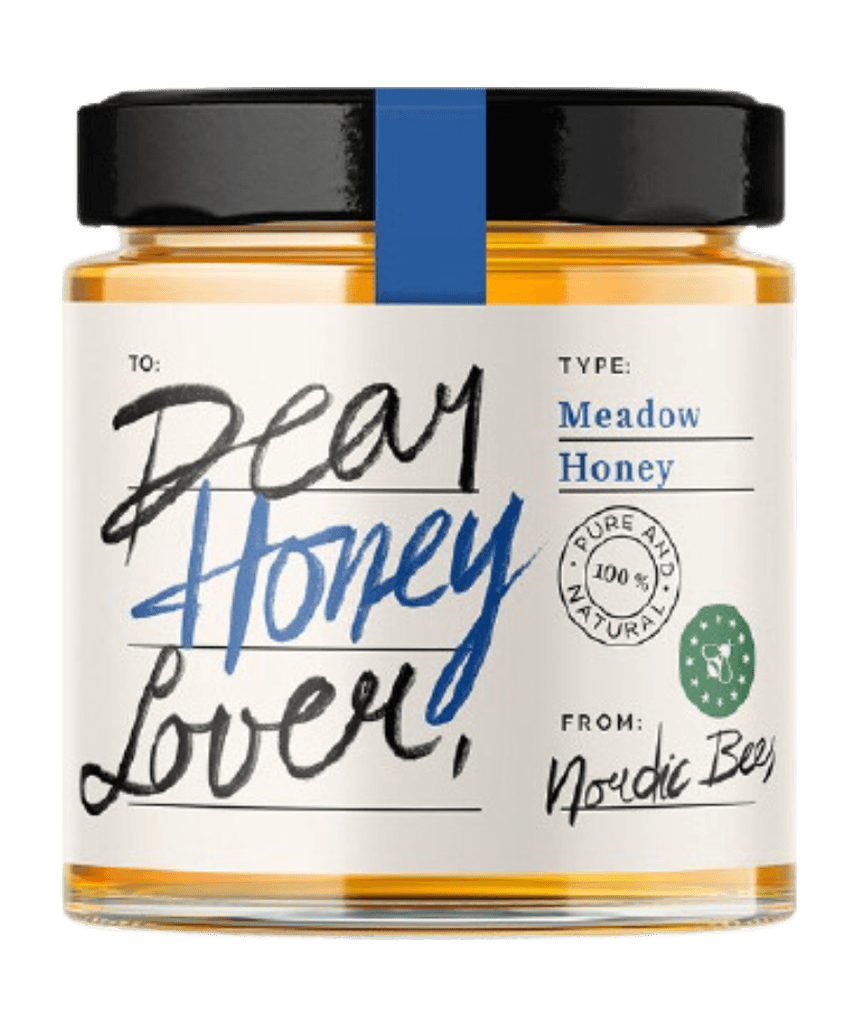
Meadow honey is rounder and more floral, and changes more between seasons.
Can I bake with it?
Yes, in light cakes and biscuits where its delicate aroma will not be covered by spice. Honey colours faster than sugar in the oven, so keep an eye on it.
Keeping it
Protect from direct sunlight. After opening, store in a cool and dry place.